
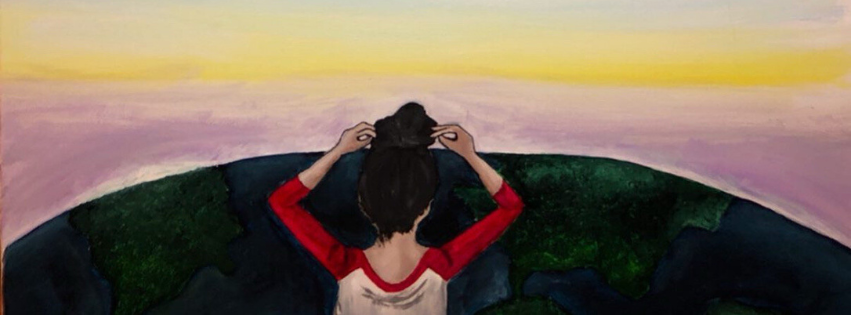
Each person brings their own story and perspective and everyone’s path to recovery is unique.Hi, my name is Elizabeth, I am 17 years old, and I have an eating disorder. Actually, let me correct myself, I HAD an eating disorder. If you are reading this because you are struggling, please consider my story. No two people are the same, especially when it comes to their struggles. But, I believe that being informed and aware of how other people have lived through a similar struggle can be very helpful. I am going to share my story with you.
Before I begin, please know that you can do this. You have the strength to get better. You are worthy of living your life to the fullest. Love yourself because I promise life is better without your eating disorder.
_________________
Up until the end of 6th grade, I never once thought if the food I was putting in my body was "healthy.” Then, Coronavirus hit, school was shut down, and everyone was forced to quarantine in their houses. This had a huge effect on me because school and dance were my safe place. My house was a toxic environment, filled with fights that at the time felt like war. I no longer had an escape, so every thought piled up in my little head.
Lizzy’s Story
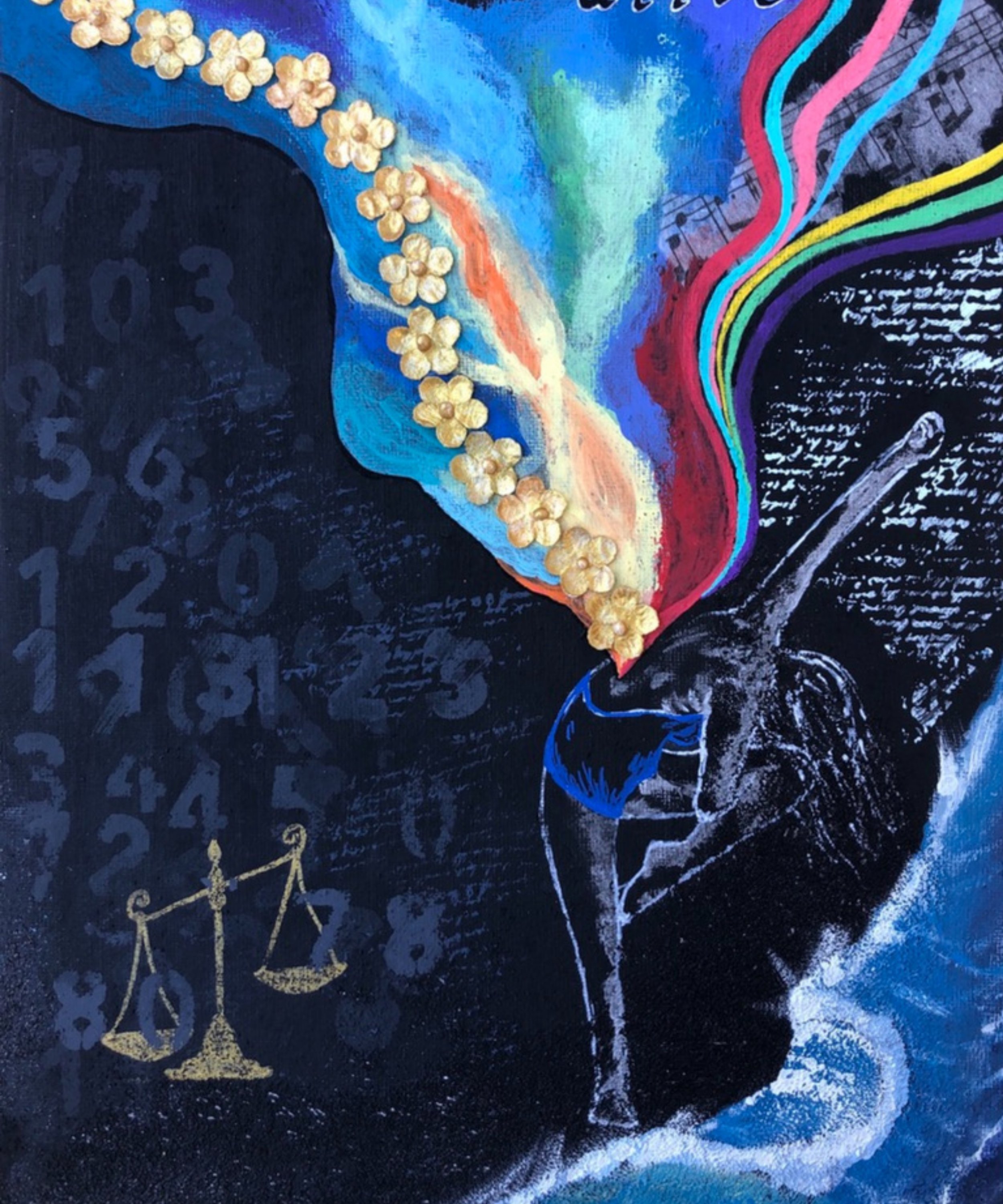
I felt like I had no control over anything around me. The world was shutting down, I couldn't leave my house, and I couldn't stop the fighting. The only thing I knew I could control was what I was eating.In March of 2020, I took charge of what I knew I could control. I started eating less, because I thought that was considered "healthy." I started working out more because I thought that would make me "fit." I have always had an obsessive personality, so these new ideas and goals became my everything. I planned what I would eat every day and when I would work out. I quickly lost all of my love for talking to my friends and family. Although I wasn't able to see my friends in person I could call them, but I didn't. I was too busy thinking...thinking about food.
After struggling for months in silence, the world started to slowly open back up. I was able to go back to school a few days a week and back to dance. All with social distancing, of course. I didn't want to go back to reality because I had lost every connection I had with people. Deep down I knew I had a problem. Day after day, I would portion out my food, and I even took over cooking for my family because that gave me the power my eating disorder wanted.
My dance teacher was the first person who pointed out how ill I was, not because of my appearance, but because she could see howI had lost all energy to do anything…I was even too tired to smile. She sent an email to my mother, not trying to overstep, but clearly concerned. This was an eye opener to my mom.
I denied the idea of under-eating. My mother believed me, as any mother would want to believe her child. She then brought me to doctors who searched for issues in my GI system that caused me to keep losing weight so rapidly. After months of searching and constant weight loss, a doctor told my mom that she believed I had an eating disorder. She was right. I broke down to my mom and told her the truth. One of the hardest parts...admitting it.
I apologized endlessly for lying, and I told her how trapped I was in my head. This was where my recovery journey first started.My mom took over all control of my food. She made and plated everything. The sad truth is, when someone is so deep in their eating disorder, this is nowhere near enough. My eating disorder was sneaky, and it made me lie. I would throw away or hide food when my mom wasn't looking. I didn't know the damage I was causing to my body. I frequently checked in with my pediatrician, and I remember every detail of one particular appointment.
It was June 2021, and I went in like I did so often. I got my blood drawn and then a nurse weighed me and took my vital signs. My mom and I were directed to a room where we waited to speak with my doctor. We hoped that she would walk in with good news. Minutes later she walked in and she discussed no numbers, she said nothing but that it was time I went to the hospital. I broke down. This wasn’t what I wanted to get out of my behaviors. I wanted to be “thin”; I didn’t want to be sick.
My mom understood what my pediatrician was saying and agreed that I had to go to the hospital; we couldn’t solve this problem on our own. I remember the car ride to the hospital. It was rush hour, the traffic was at a standstill, and I was screaming and crying the entire time.
June 21st was the day I was admitted. My heart rate was dangerously low, along with my blood pressure. I still remember my first meal at the hospital, because it terrified me. I realized that I did this to myself. If I’d listened when the doctors told me to increase my food intake months ago, if I’d found the strength to disobey my eating disorder then, I’d never have had to go to the hospital in the first place.I don’t remember a lot about my stay in the hospital. I was discharged two weeks later, and I chose not to think about it because it was such a dark and scary time in my life.
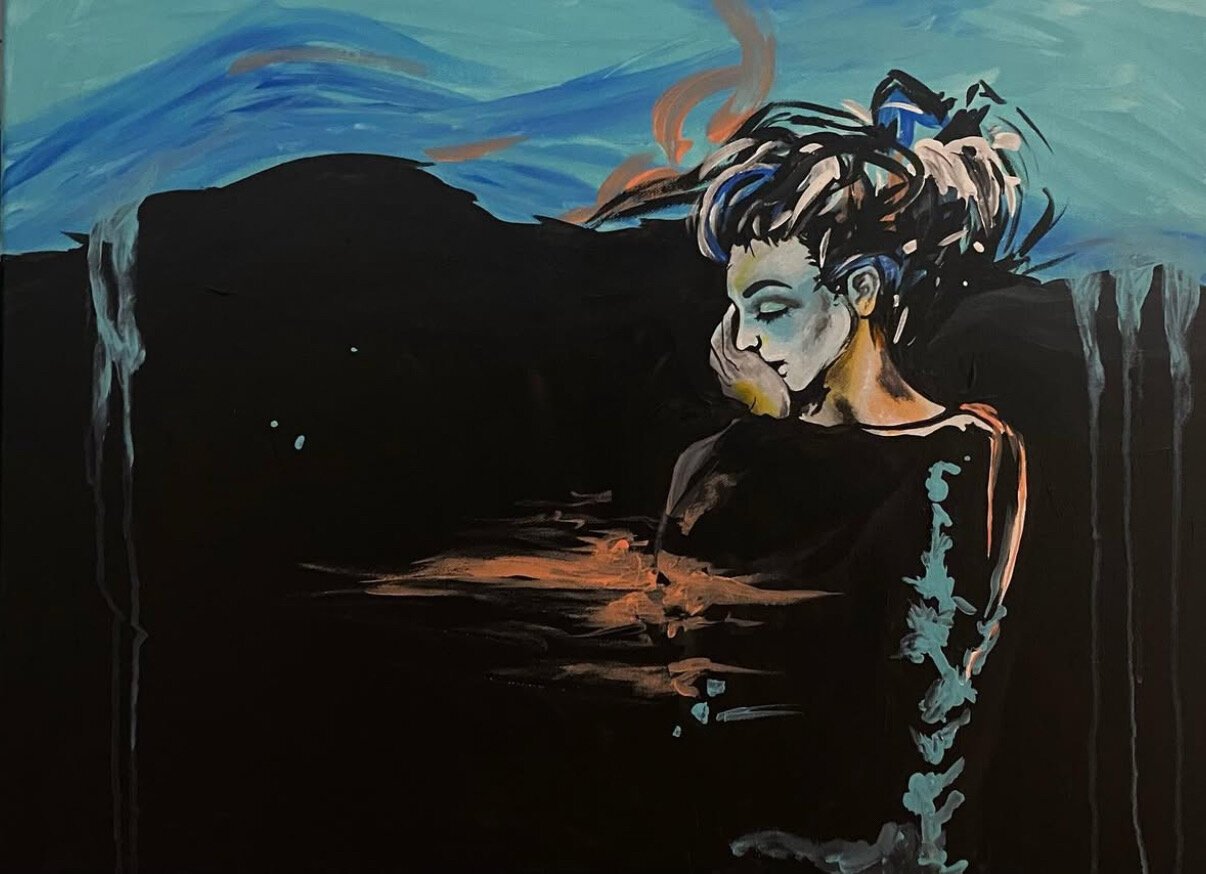
But looking back, I can say that this was my first step towards recovery. “Eating disorder recovery is not linear,” the therapists, doctors, and dietitians all said to me. I nodded my head, but I didn’t understand what it meant. I went to therapy and I ate my meals and snacks; I thought that was all I needed to do. I was wrong. To successfully recover from an eating disorder, you need to believe that you can get better, even if you’re not ready. I didn’t want to get better for the first few months after I was discharged. This is what caused me to go through so many ups and downs. One week I would be headed in the right direction. I was happy and getting healthy. The next, I was stressed, uncomfortable, and once again, sick. After a lot of failures in recovery, I was done with revolving my life around this stupid little voice in my head. I quit. And no, it isn't that easy. I wish it was that easy. But that decision to “quit” is the first step towards a TRUE recovery, towards a LIFE recovery.
Before I committed to getting my life back, I was eating, but I was eating in my comfort zone. Foods that were “safe” to me. That is the opposite of recovery. My mind slowly started to become clearer as I went through weight restoration, and I built up the strength to challenge myself. It's not easy, and there is no way around it, you have to eat those foods that make you anxious, the foods that your eating disorder labels as “bad.” So, from the day I decided to beat my eating disorder there was no more saying no. On birthdays, I ate cake. On Halloween, I ate candy. And on a hot summer day, I went out to ice cream with my friends. None of this was easy, and sometimes I thought I would actually be happier if I just stayed in my comfort zone, as I wouldn’t experience all of those terrible thoughts and feelings. But then I would think, what about five years from now? Am I still not going to let myself get ice cream with my friends?
There are zero benefits to OBEYING your eating disorder, and if you don’t fight it now, you will suffer later.That is what I would tell myself. Eventually eating certain foods became less intimidating. The more exposure I had, the easier it became.
Battling my eating disorder was one of the hardest things I've ever done, but also one of the most rewarding. It takes time, effort, and self-love to overcome something so mentally and physically challenging. I share my story so that you can read this and know you are not alone. I was once the girl who said no to an ice cream when my friends and family offered. Now I'm the girl who asks to get ice cream. It is possible. It is okay to ask for help, I encourage you to do so.
Recovery is hard, but living a life with an eating disorder is much harder.Don't give up on yourself, because I promise you are more than capable of doing great things and becoming the best version of yourself. Reach out when you need help, build a support system. I am rooting for you, stay strong.
Love,
Lizzy K.